

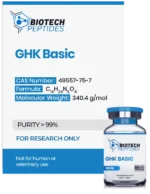
GHK Basic (50mg)
$51.00
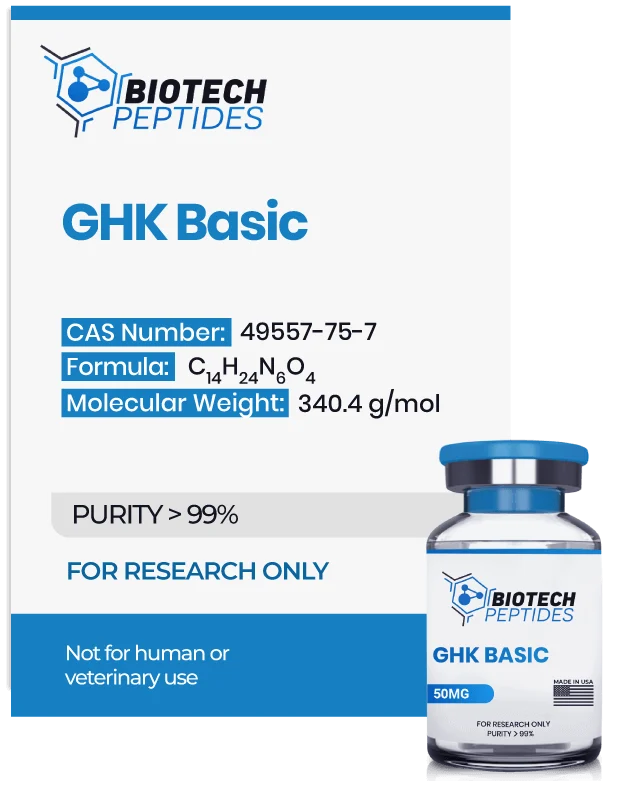
GHK Basic (50mg) is a copper-free synthetic tripeptide consisting of Glycine, Histidine and Lysine (Gly-His-Lys). Also known as glycyl-L-histidyl-L-lysine, GHK has been investigated in laboratory research involving gene expression, DNA repair, oxidative stress and tissue-remodelling mechanisms.
Product specifications:
- Product: GHK Basic
- Listed quantity: 50mg
- Peptide sequence: Gly-His-Lys
- Molecular formula: C₁₄H₂₄N₆O₄
- Molecular weight: Approximately 340.4 g/mol
- Form: Copper-free GHK
For laboratory and analytical research only. Not for human or animal consumption, personal administration, medical treatment, diagnosis or veterinary application.
GHK Peptide (50mg)
GHK Basic (50mg) is a synthetic tripeptide composed of three amino acids: glycine, histidine and lysine. Its sequence is commonly written as Gly-His-Lys or GHK, and its full chemical name is glycyl-L-histidyl-L-lysine.
GHK is also a naturally occurring peptide found in human biological fluids, including plasma. Scientific research has investigated its involvement in cellular signalling, gene expression and processes associated with tissue remodelling.
GHK Basic is the copper-free form of the tripeptide. It should be distinguished from GHK-Cu, which is a copper-bound complex with different chemical characteristics. This distinction is important when reviewing scientific literature because research findings involving GHK-Cu cannot automatically be attributed to copper-free GHK.
GHK Basic and GHK-Cu: Understanding the Difference
GHK and GHK-Cu share the same underlying tripeptide sequence, but they are not identical chemical forms.
GHK Basic (copper-free GHK) consists of the Gly-His-Lys tripeptide without a copper ion bound to it. Its molecular formula is C₁₄H₂₄N₆O₄, with an approximate molecular weight of 340.4 g/mol.
GHK-Cu (copper-bound GHK) is a complex formed when GHK coordinates with a copper ion. Copper is an essential transition metal involved in numerous biological processes, including enzymatic activity, cellular respiration and antioxidant systems.
GHK has a strong affinity for copper and can form a complex with copper (II). However, the copper-free peptide and the copper complex should be treated as separate research materials when interpreting experimental results.
GHK Peptide and Gene Expression Research
One area of scientific interest surrounding GHK is its relationship with gene expression.
A 2014 review, GHK and DNA: Resetting the Human Genome to Health, examined published research and gene-expression datasets involving the tripeptide. The authors discussed changes in genes associated with cellular repair, antioxidant activity, inflammatory signalling and other biological processes.
The paper also analysed gene-expression profiles from the Broad Institute’s Connectivity Map. The authors reported changes in the expression of a range of genes following GHK exposure in the cell models included in their analysis.
These findings provide a research background for investigating GHK and cellular gene regulation. They should be understood as experimental and computational observations rather than proof of a clinical or therapeutic effect.
GHK and DNA Repair Research
GHK has also been investigated in relation to genes involved in DNA repair and cellular maintenance.
DNA repair systems help cells identify and respond to damage affecting genetic material. Research into GHK has examined whether exposure to the tripeptide is associated with changes in the expression of genes involved in these processes.
A 2014 research review discussed GHK-related gene-expression findings involving DNA repair and antioxidant systems. A separate 2017 paper examined the effect of GHK on gene expression relevant to nervous-system function and cognitive decline.
These publications provide a basis for further investigation into GHK and cellular responses to oxidative and genetic stress. They do not establish that GHK prevents DNA damage, treats neurological conditions or produces clinical benefits.
GHK and Fibrinogen Gene Expression
Another research area concerns GHK and fibrinogen synthesis.
Fibrinogen is a plasma protein made up of three polypeptide chains: alpha, beta and gamma. Its production is regulated by several biological processes, including gene expression and inflammatory signalling.
The 2014 GHK review discussed data in which GHK exposure was associated with reduced expression of the FGB gene, which encodes the beta chain of fibrinogen. The authors also discussed research involving interleukin-6 (IL-6), a signalling molecule associated with the regulation of fibrinogen production.
These observations have contributed to research interest in GHK, gene regulation and protein synthesis. They should not be interpreted as evidence that GHK Basic changes blood clotting or has a clinical effect on fibrinogen levels.
GHK and Tissue-Remodelling Research
GHK has been studied in experimental models involving cellular repair and tissue-remodelling processes.
Published research has examined its relationship with gene-expression patterns associated with fibroblast activity, extracellular matrix organisation and transforming growth factor beta (TGF-β) signalling.
A 2014 review discussed experiments involving GHK and cultured cells derived from damaged lung tissue in chronic obstructive pulmonary disease (COPD) research. The reported findings concerned changes in gene-expression patterns and cellular remodelling mechanisms.
These studies provide a scientific context for investigating GHK in cellular and tissue-remodelling models. Results from cultured cells should not be treated as proof of a treatment effect in people or animals.
Chemical Specifications
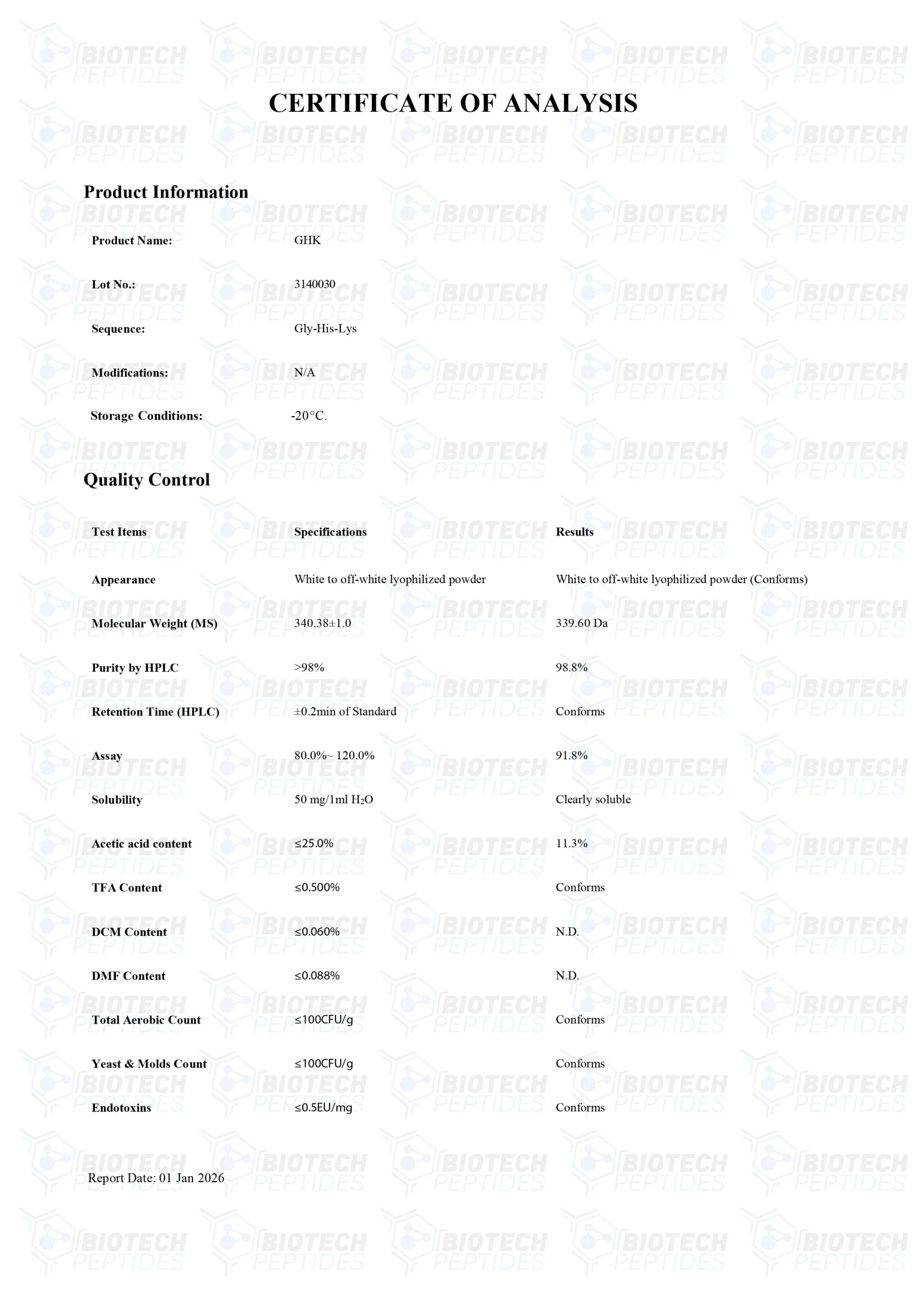
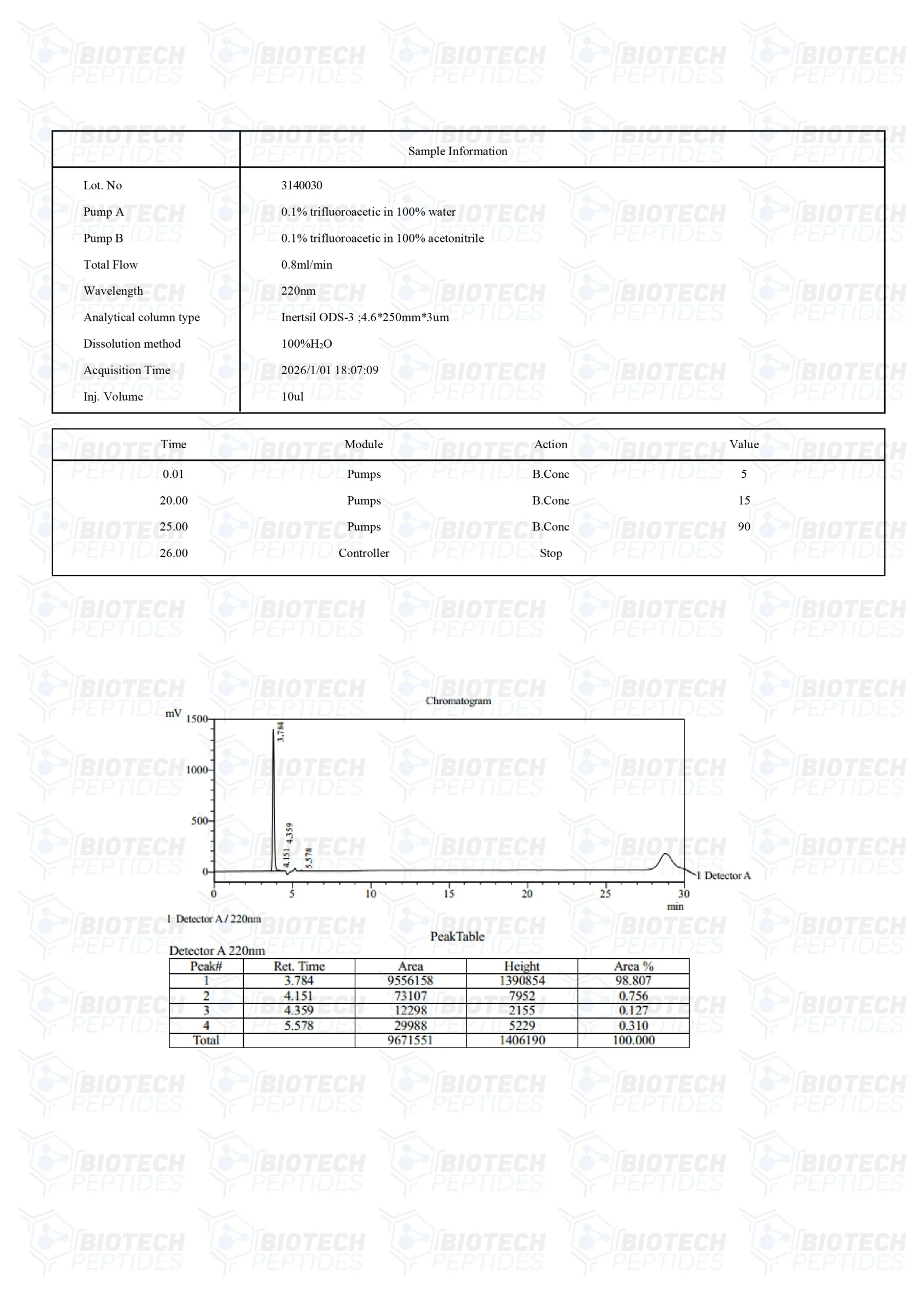
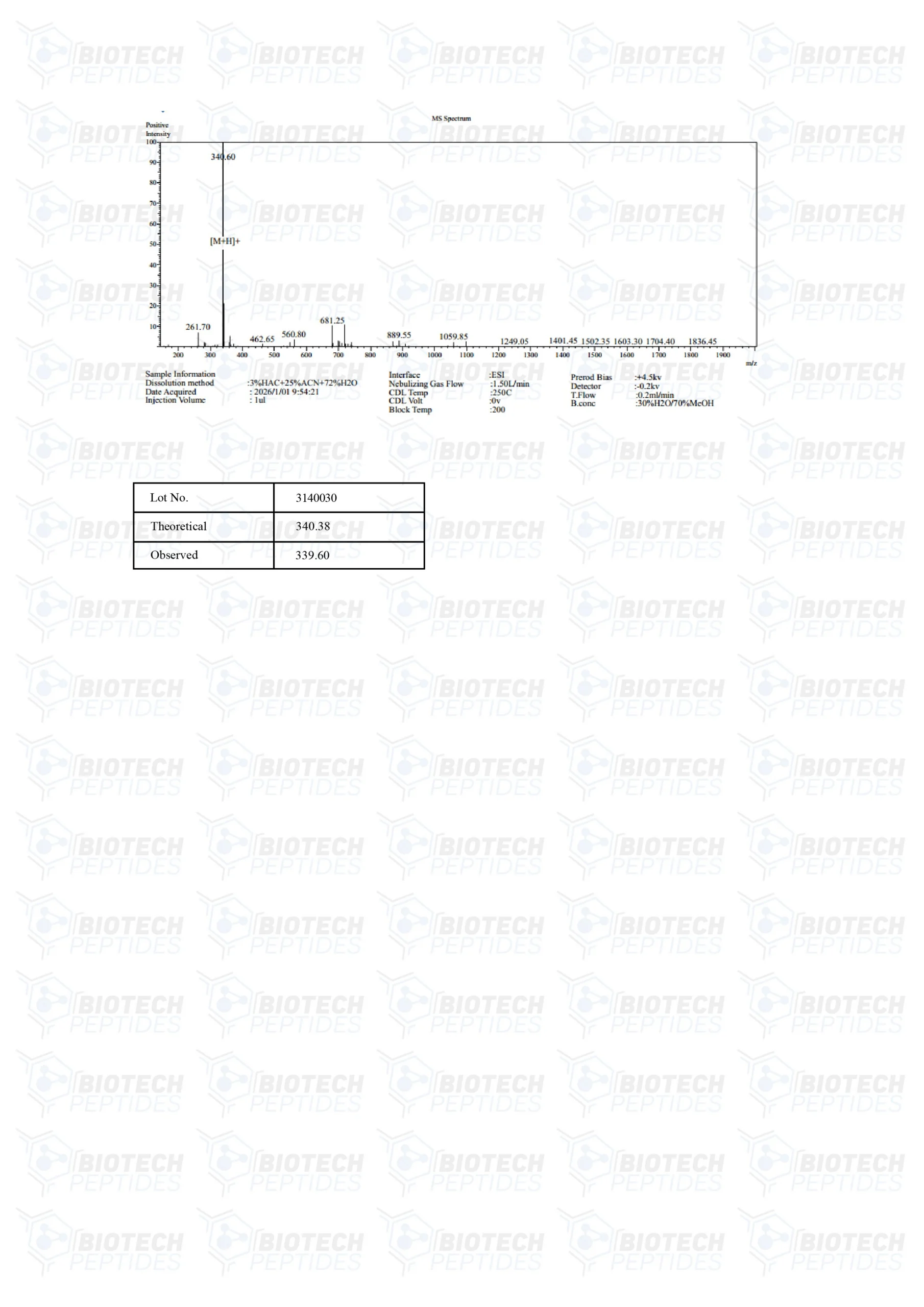
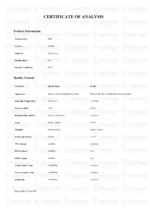
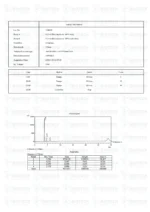
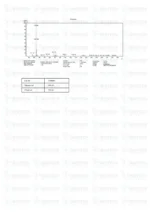
The following reference information describes the copper-free GHK tripeptide. It should be checked against the product’s applicable manufacturer documentation and batch-specific analytical records.
- Product name: GHK Basic
- Alternative name: Glycyl-L-histidyl-L-lysine
- Peptide sequence: Gly-His-Lys
- Listed quantity: 50mg
- Molecular formula: C₁₄H₂₄N₆O₄
- Molecular weight: Approximately 340.4 g/mol
- Chemical form: Copper-free GHK
The molecular specifications describe the reference compound. They do not independently confirm the identity, purity or analytical results of a particular product batch.
Research Peptides at Biotech Peptides
Biotech Peptides offers research materials for laboratory and analytical applications. GHK Basic (50mg) is listed for researchers examining peptide chemistry, molecular structure and experimental gene-expression research.
If you are comparing research peptides for sale, review the listed chemical specifications and the documentation available for the specific product. Product information and batch-specific analytical records should be considered separately.
Explore our research peptide collection to view other listed research materials. For information about order processing and delivery, visit our Shipping page.
Frequently Asked Questions
What is GHK Basic?
GHK Basic is the copper-free form of the tripeptide Gly-His-Lys, made up of glycine, histidine and lysine.
Is GHK Basic the same as GHK-Cu?
No. GHK Basic is the copper-free tripeptide, while GHK-Cu is a complex formed when GHK binds to copper. They have different chemical compositions and should not be treated as interchangeable research materials.
What is the molecular formula of GHK Basic?
The reference molecular formula for copper-free GHK is C₁₄H₂₄N₆O₄.
What is the molecular weight of GHK Basic?
The reference molecular weight is approximately 340.4 g/mol.
What research has been conducted on GHK?
Published research has examined GHK in relation to gene expression, DNA repair, antioxidant systems, fibrinogen-related gene expression and cellular tissue-remodelling mechanisms. Findings vary by experimental model and chemical form.
Is GHK Basic intended for human consumption?
No. This product is intended exclusively for laboratory and analytical research. It is not intended for human or animal consumption, personal administration, medical treatment, diagnosis or veterinary application.
Research Use Only
GHK Basic (50mg) is supplied strictly for laboratory and analytical research purposes. It is not intended for human or animal consumption, personal administration, medical treatment, diagnosis or veterinary application.
All scientific information presented on this page is provided for educational and research reference purposes. Researchers should review the relevant scientific literature, product specifications and available batch-specific documentation before use in an appropriate laboratory setting.
| Brand | Biotech Peptides |
|---|
Related products

Acetyl Hexapeptide-3 (Argireline) (200mg)
- Product: Acetyl Hexapeptide-3 (Argireline)
- Listed quantity: 200mg
- Alternative name: Acetyl Hexapeptide-8
- Sequence: Ac-Glu-Glu-Met-Gln-Arg-Arg-NH₂
- CAS number: 616204-22-9
- Research area: SNAP-25 and SNARE-complex interactions


ARA-290 (16mg)
ARA-290 (16mg) is offered by Biotech Peptides for laboratory and analytical research. Also called cibinetide, ARA-290 is a synthetic 11-residue peptide derived from the beta-helix domain of erythropoietin, studied in relation to innate repair receptor signaling and inflammatory pathways. 1181
-
Product: ARA-290
-
Alternative name: Cibinetide
-
Listed quantity: 16 mg
-
Reference molecular formula: C₅₁H₅₄N₁₆O₂₁
-
Intended use: Laboratory and analytical research only
Review the manufacturer specifications and applicable analytical documentation before selecting material for your protocol.
For research use only. Not for human consumption.
Melanotan 1 (10mg)
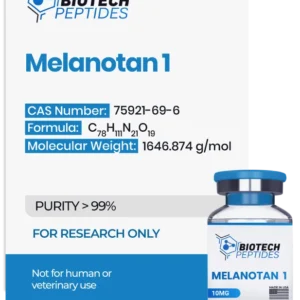
Melanotan 1 (10mg) is offered by Biotech Peptides for laboratory and analytical research. Also called afamelanotide, this synthetic 13-residue analogue of alpha-melanocyte-stimulating hormone has been studied in relation to melanocortin receptor signaling and melanin production.pmc.ncbi.nlm.nih+1
-
Product: Melanotan 1
-
Alternative name: Afamelanotide
-
Listed quantity: 10 mg
-
Reference molecular formula: C₇₈H₁₁₁N₂₁O₁₉
-
Intended use: Laboratory and analytical research only
Review the manufacturer specifications and applicable analytical documentation before selecting material for your protocol.
For research use only. Not for human consumption.
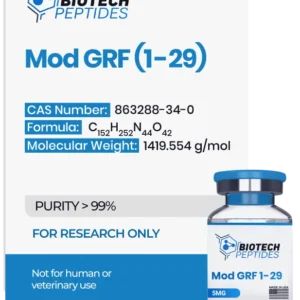
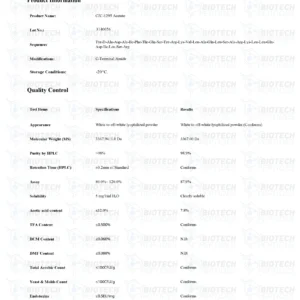
Mod GRF 1-29 (CJC-1295 NO DAC) (5mg)
Mod GRF 1-29 (CJC-1295 NO DAC) (5mg) is offered by Biotech Peptides for laboratory and analytical research. Mod GRF 1-29 is a synthetic 29-residue GHRH analogue studied in relation to growth hormone-releasing hormone receptor signaling and somatotroph cell function. 1056
-
Product: Mod GRF 1-29
-
Alternative name: CJC-1295 without DAC
-
Listed quantity: 5 mg
-
Reference molecular formula: C₁₅₂H₂₅₂N₄₄O₄₂
-
Intended use: Laboratory and analytical research only
Review the manufacturer specifications and applicable analytical documentation before selecting material for your protocol.
For research use only. Not for human consumption.
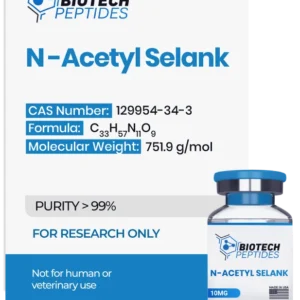
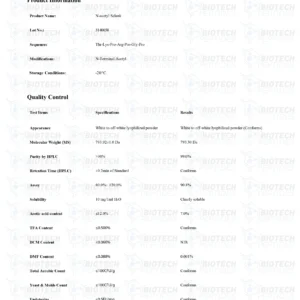
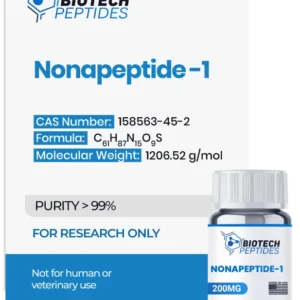
Nonapeptide-1 (200mg)
- Product: Nonapeptide-1
- Alternative name: Melanostatine-5
- Listed quantity: 200mg
- Peptide length: 9 amino acids
- Reference sequence: Met-Pro-D-Phe-Arg-D-Trp-Phe-Lys-Pro-Val-NH₂
- CAS number: 158563-45-2


Oxytocin (10mg)
Oxytocin (10mg) is offered by Biotech Peptides for laboratory and analytical research. Oxytocin is a cyclic nonapeptide hormone and neuropeptide studied in relation to social behavior, reproduction, wound healing, and muscle regeneration. 1015
-
Product: Oxytocin
-
Alternative name: Endopituitrina
-
Listed quantity: 10 mg
-
Reference molecular formula: C₄₃H₆₆N₁₂O₁₂S₂
-
Intended use: Laboratory and analytical research only
Review the manufacturer specifications and applicable analytical documentation before selecting material for your protocol.
For research use only. Not for human consumption.
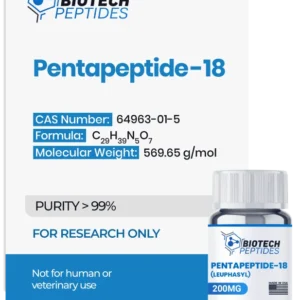
Pentapeptide-18 (Leuphasyl) (200mg) | Biotech Peptides
Pentapeptide-18 (Leuphasyl) (200mg) is a synthetic pentapeptide listed for laboratory and analytical research involving peptide structure and cosmetic-science research models.
Pentapeptide-18 is also known as Leuphasyl and is structurally related to leucine-enkephalin, with a D-alanine residue at position two. Its research background includes investigations into neurotransmitter signaling and topical cosmetic formulations. Reference molecular information:- Listed quantity: 200mg
- Sequence: H-Tyr-D-Ala-Gly-Phe-Leu-OH
- Molecular formula: C₂₉H₃₉N₅O₇
- Molecular weight: Approximately 569.6 g/mol
- CAS number: 64963-01-5
- Alternative name: Leuphasyl