

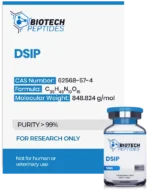
DSIP (5mg)
$44.00
DSIP (5mg) is offered by Biotech Peptides for laboratory and analytical research. Also known as delta sleep-inducing peptide, DSIP is a nine-amino-acid peptide investigated in experimental studies of sleep-related physiology. Its biological role and mechanism remain incompletely understood.pubmed.ncbi.nlm.nih+1
-
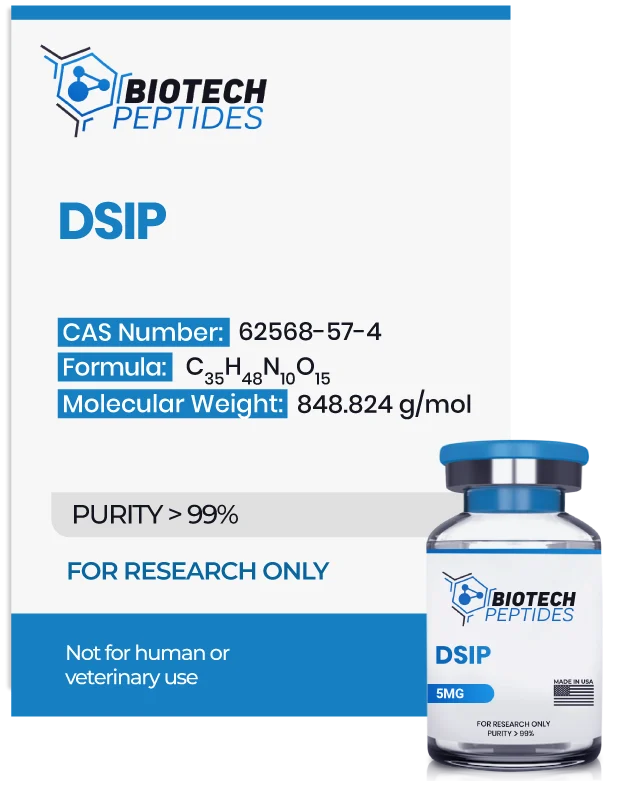
Product: DSIP
-
Full name: Delta sleep-inducing peptide
-
Listed quantity: 5 mg
-
Peptide sequence: Trp-Ala-Gly-Gly-Asp-Ala-Ser-Gly-Glu
-
Intended use: Laboratory and analytical research only
Review the applicable specifications and analytical documentation before selecting material for your laboratory.
For research use only. Not for human consumption.
DSIP (5mg) for Laboratory Research
DSIP (5mg) is offered by Biotech Peptides for laboratories evaluating delta sleep-inducing peptide. DSIP is a nonapeptide—a peptide containing nine amino-acid residues—with the sequence Trp-Ala-Gly-Gly-Asp-Ala-Ser-Gly-Glu, abbreviated WAGGDASGE.
For laboratories looking to buy DSIP, this listing identifies a 5 mg quantity. Assess the supplied material against your protocol’s requirements, including structural specifications, identity evidence, analytical results, and any quantity measurements needed for the intended work.
Browse our research peptides for sale to review other laboratory-use listings from Biotech Peptides.
Product Information
| Property | Listing information |
|---|---|
| Product name | DSIP |
| Full name | Delta sleep-inducing peptide |
| Listed quantity | 5 mg |
| Intended application | Laboratory and analytical research |
| Documentation inquiries | Include the product name and batch number, where available |
The 5 mg designation is the quantity stated for this product listing. It does not independently establish net peptide content or confirm that a particular quantity-assay method has been performed.
DSIP Reference Molecular Characteristics
The following information describes the reference peptide, not an independently verified commercial batch.
| Reference characteristic | Information |
|---|---|
| Peptide length | Nine amino acids |
| Amino-acid sequence | Trp-Ala-Gly-Gly-Asp-Ala-Ser-Gly-Glu |
| One-letter sequence | WAGGDASGE |
| Molecular formula | C₃₅H₄₈N₁₀O₁₅ |
| Approximate molecular weight | 848.8 g/mol |
The sequence was reported in the original characterization work, while the molecular formula is recorded in the PubChem DSIP reference entry. Confirm the supplied chemical form, terminal groups, and any counterions against manufacturer documentation before using reference values in analytical calculations.pubmed.ncbi.nlm.nih+1
DSIP Discovery and Research Background
The original 1977 characterization described DSIP isolated from rabbit cerebral venous blood associated with experimental thalamic stimulation. Synthetic DSIP was then evaluated for changes in delta and spindle electroencephalogram activity in rabbits. This differs from describing it as first isolated from rat brains during natural sleep.pubmed.ncbi.nlm.nih+1
Although the peptide’s name reflects those early findings, it should not be interpreted as proof of a reliable sleep-inducing effect across species or experimental conditions. A later scientific review emphasized unresolved questions about DSIP’s natural occurrence, biological activity, precursor, and receptor identity.
Interpreting DSIP Research
DSIP has attracted research interest beyond early sleep experiments, but its physiological role remains uncertain. The review “Delta sleep-inducing peptide (DSIP): a still unresolved riddle” discusses the difficulty of establishing a consistent relationship between the peptide and sleep regulation.
These limitations matter when selecting literature for a laboratory protocol. Experimental observations should be interpreted in relation to the model, material, analytical methods, and endpoints used—not converted into general claims about sleep improvement, stress relief, or treatment.
Published studies do not establish the identity, purity, quantity, or biological activity of the particular material supplied with this listing.
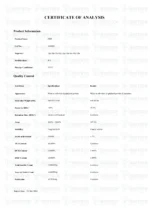
Documentation and Batch Verification
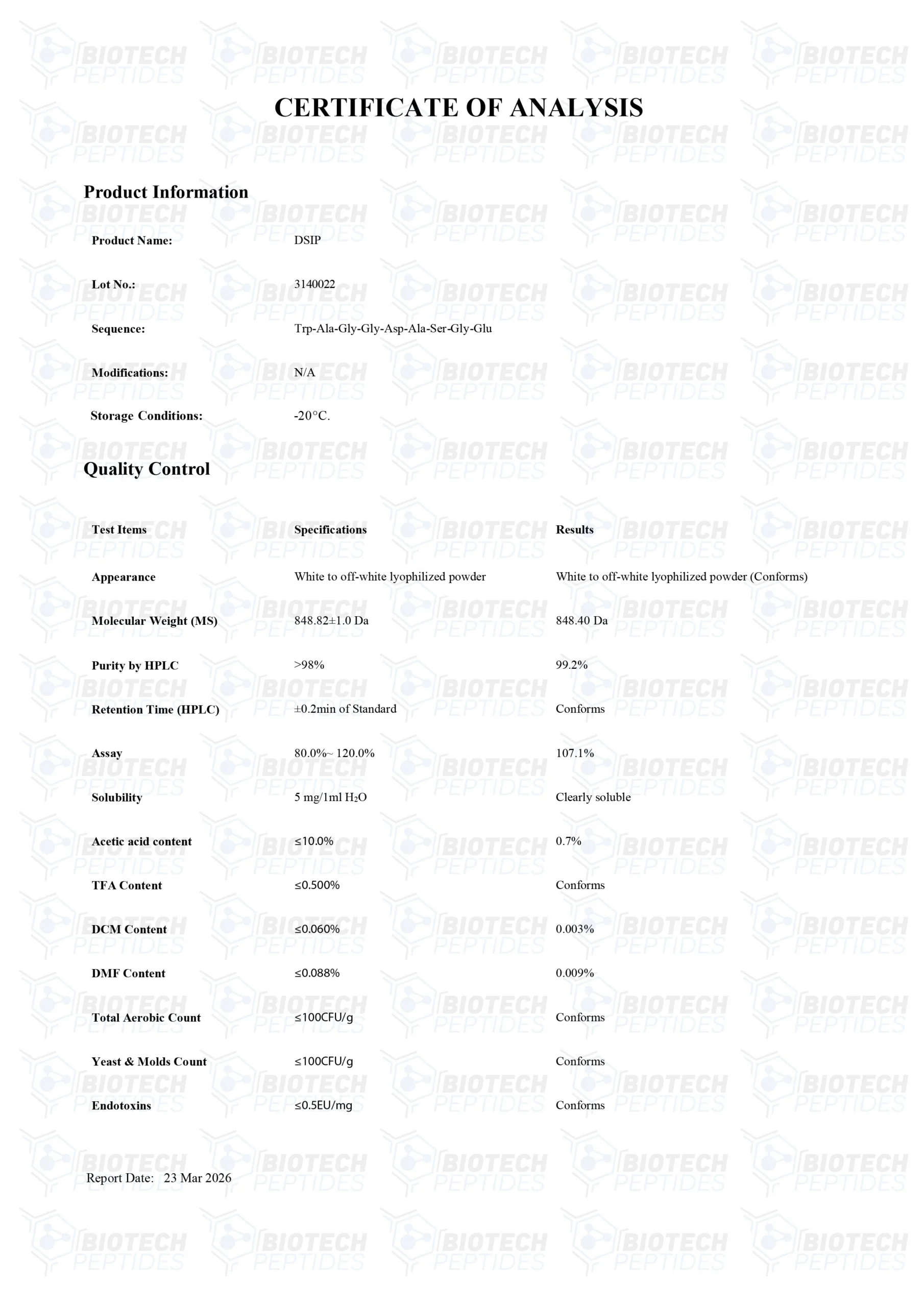
Before selecting DSIP (5mg), review the documentation associated with the exact material being supplied. Depending on your laboratory’s requirements, relevant information may include:
-
Product name and batch or lot identifier.
-
Manufacturer specifications and chemical form.
-
Sequence and structural identification.
-
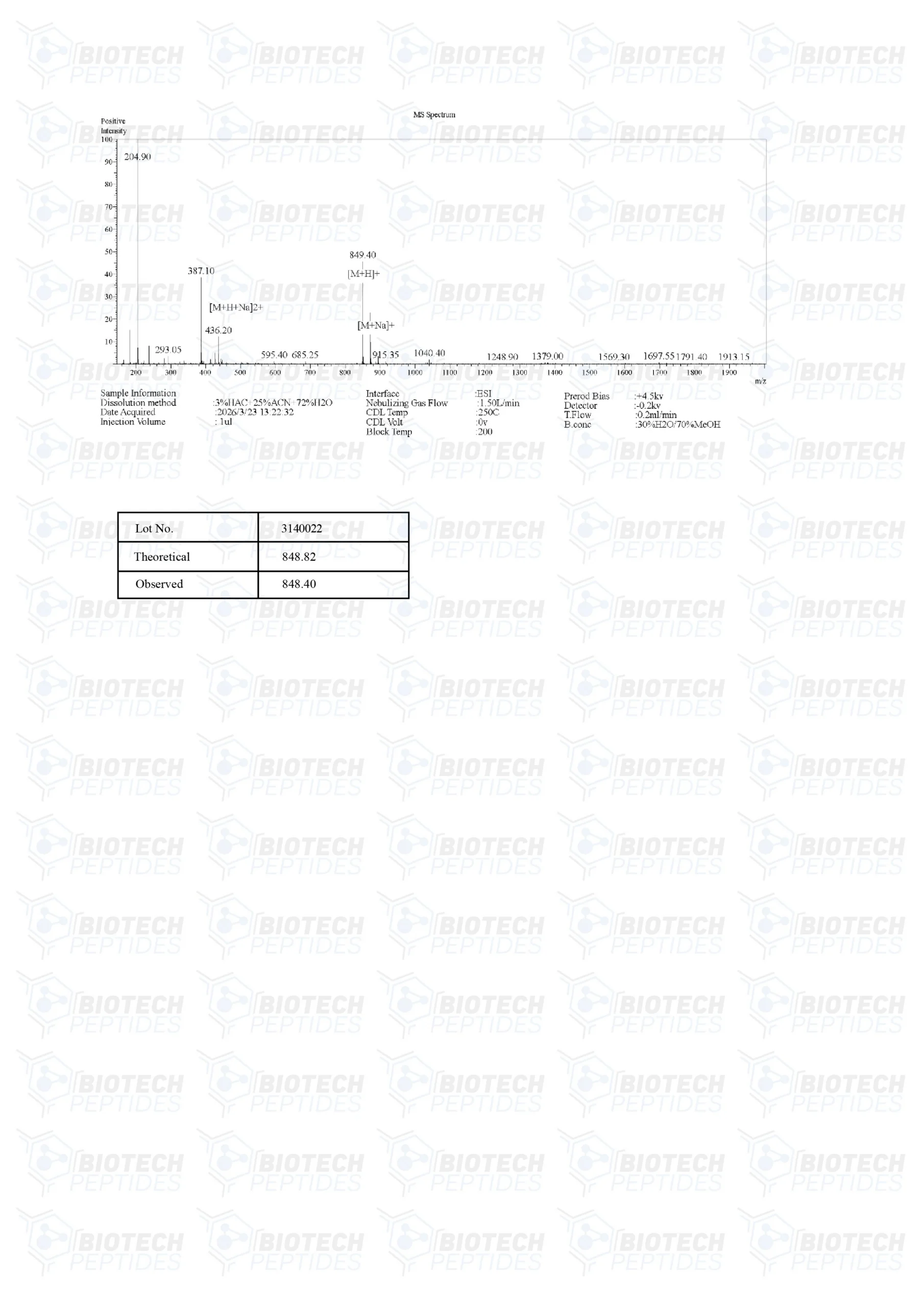
Identity-testing methods and reported results.
-
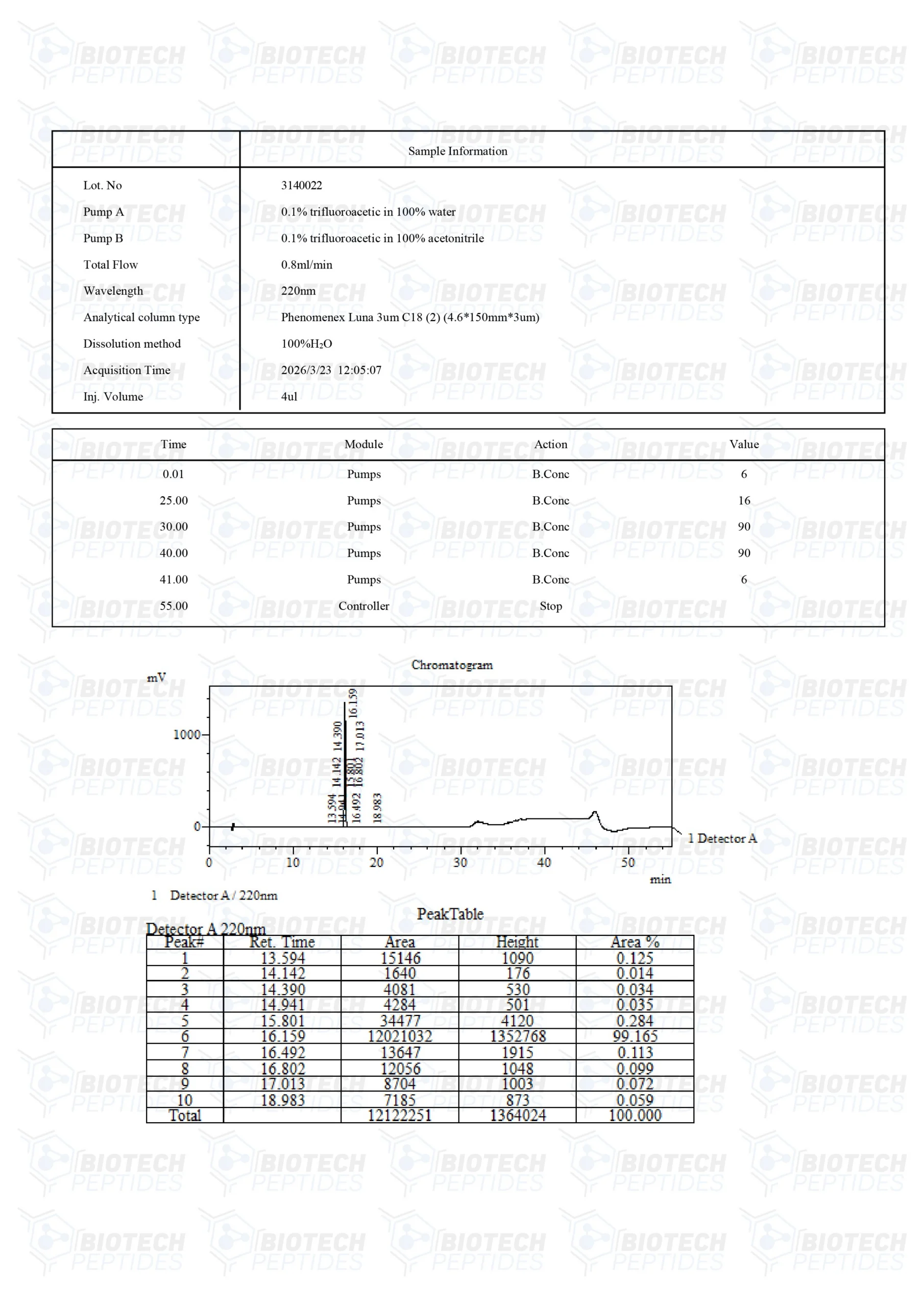
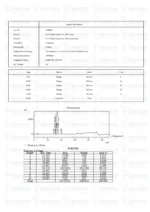
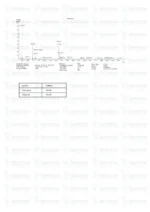
Purity-testing methods and supporting analytical data.
-
Quantity or peptide-content measurements, where required.
-
Product-specific storage and handling instructions.
Match identifiers across the product label, specifications, and analytical reports. If information is incomplete or inconsistent, obtain clarification before proceeding.
For documentation inquiries, provide “DSIP (5mg),” the batch number where available, and the specific information your laboratory requires.
Storage and Handling
Follow the product-specific instructions supplied with the material and your laboratory’s applicable procedures.
Do not assume that storage temperatures, shelf-life claims, or preparation instructions published for another supplier’s material apply to this product. Obtain clarification if documented instructions are unavailable or unclear.
Frequently Asked Questions About DSIP (5mg)
What does DSIP stand for?
DSIP stands for delta sleep-inducing peptide. The name originated from early experimental findings involving delta-wave EEG activity in rabbits; it is not a guarantee of a sleep-related effect.pubmed.ncbi.nlm.nih+1
How many amino acids does DSIP contain?
DSIP contains nine amino-acid residues. Its sequence is Trp-Ala-Gly-Gly-Asp-Ala-Ser-Gly-Glu, abbreviated WAGGDASGE.
Does DSIP have an established receptor or mechanism?
The scientific review cited here identifies unresolved questions about its receptor, natural precursor, and biological function. Specific receptor mechanisms should not be presented as established on the basis of preliminary findings.
What does the 5mg designation mean?
It is the quantity stated for this product listing. If your laboratory requires independently measured quantity or net peptide content, review the applicable analytical documentation.
Does published DSIP research verify this product?
No. Published findings describe the experimental material and conditions used by the investigators. Assess a commercial batch using evidence relevant to the supplied material.
Where can I find delivery information?
Review our shipping information for current order-processing and delivery terms.
Research Use Only
DSIP (5mg) is sold for laboratory and analytical research only. Not for human or animal consumption, personal administration, medical treatment, diagnosis, or veterinary application.
Review our Research-Use-Only Policy before ordering.
| Brand | Biotech Peptides |
|---|
Related products

Acetyl Hexapeptide-3 (Argireline) (200mg)
- Product: Acetyl Hexapeptide-3 (Argireline)
- Listed quantity: 200mg
- Alternative name: Acetyl Hexapeptide-8
- Sequence: Ac-Glu-Glu-Met-Gln-Arg-Arg-NH₂
- CAS number: 616204-22-9
- Research area: SNAP-25 and SNARE-complex interactions
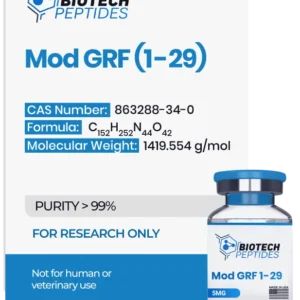
Mod GRF 1-29 (CJC-1295 NO DAC) (5mg)
Mod GRF 1-29 (CJC-1295 NO DAC) (5mg) is offered by Biotech Peptides for laboratory and analytical research. Mod GRF 1-29 is a synthetic 29-residue GHRH analogue studied in relation to growth hormone-releasing hormone receptor signaling and somatotroph cell function. 1056
-
Product: Mod GRF 1-29
-
Alternative name: CJC-1295 without DAC
-
Listed quantity: 5 mg
-
Reference molecular formula: C₁₅₂H₂₅₂N₄₄O₄₂
-
Intended use: Laboratory and analytical research only
Review the manufacturer specifications and applicable analytical documentation before selecting material for your protocol.
For research use only. Not for human consumption.
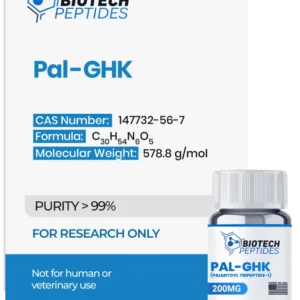
Pal-GHK (Palmitoyl Tripeptide-1) (200mg) | Biotech Peptides
Pal-GHK (Palmitoyl Tripeptide-1) (200mg) is a synthetic, lipid-modified tripeptide listed for laboratory and analytical research involving peptide chemistry and skin-related research models.
Also known as Palmitoyl-Gly-His-Lys, Pal-GHK consists of a palmitoyl group attached to the N-terminus of the GHK tripeptide sequence. It has been investigated in research involving extracellular matrix components and topical cosmetic formulations. Reference molecular information:- Listed quantity: 200mg
- Peptide sequence: Gly-His-Lys (GHK)
- N-terminal modification: Palmitoyl group
- Molecular formula: C₃₀H₅₄N₆O₅
- Molecular weight: 578.8 g/mol
- CAS number: 147732-56-7
- Common name: Palmitoyl Tripeptide-1
PT-141 (Bremelanotide) (10mg)
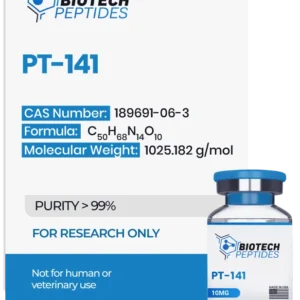
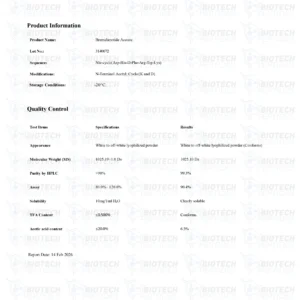
PT-141 (Bremelanotide) (10mg) is offered by Biotech Peptides for laboratory and analytical research. Also called bremelanotide, this synthetic cyclic heptapeptide is a melanocortin receptor agonist studied in relation to MC1R, MC3R, and MC4R signaling.accessdata.fda+2
-
Product: PT-141 (Bremelanotide)
-
Alternative name: Bremelanotide
-
Listed quantity: 10 mg
-
Reference molecular formula: C₅₀H₆₈N₁₄O₁₀
-
Intended use: Laboratory and analytical research only
Review the manufacturer specifications and applicable analytical documentation before selecting material for your protocol.
For research use only. Not for human consumption.


Tesamorelin (5mg & 10mg)
Tesamorelin (5mg & 10mg) is offered by Biotech Peptides for laboratory and analytical research. Tesamorelin is a synthetic 44-residue GHRH analogue studied in relation to growth hormone secretion, visceral adiposity, and metabolic signaling. 1137
-
Product: Tesamorelin
-
Full name: N-(trans-3-hexenoyl)-[Tyr1]-hGRF(1-44)-NH2 acetate
-
Listed quantities: 5 mg and 10 mg
-
Reference molecular formula: C₂₂₁H₃₆₆N₇₂O₆₇S
-
Intended use: Laboratory and analytical research only
Review the manufacturer specifications and applicable analytical documentation before selecting material for your protocol.
For research use only. Not for human consumption.
Thymalin (25mg)
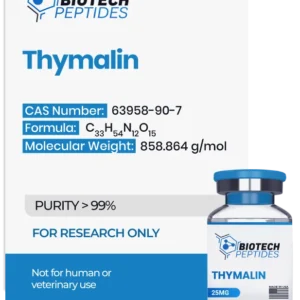
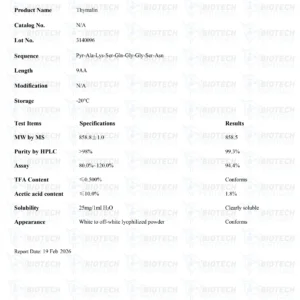
Thymalin (25mg) is offered by Biotech Peptides for laboratory and analytical research. Thymalin is a synthetic 9-residue peptide, also called thymulin, studied in relation to immune modulation, cytokine signaling, and neuroendocrine pathways. 1226
-
Product: Thymalin
-
Alternative name: Thymulin
-
Listed quantity: 25 mg
-
Reference molecular formula: C₃₃H₅₄N₁₂O₁₅
-
Intended use: Laboratory and analytical research only
Review the manufacturer specifications and applicable analytical documentation before selecting material for your protocol.
For research use only. Not for human consumption.
